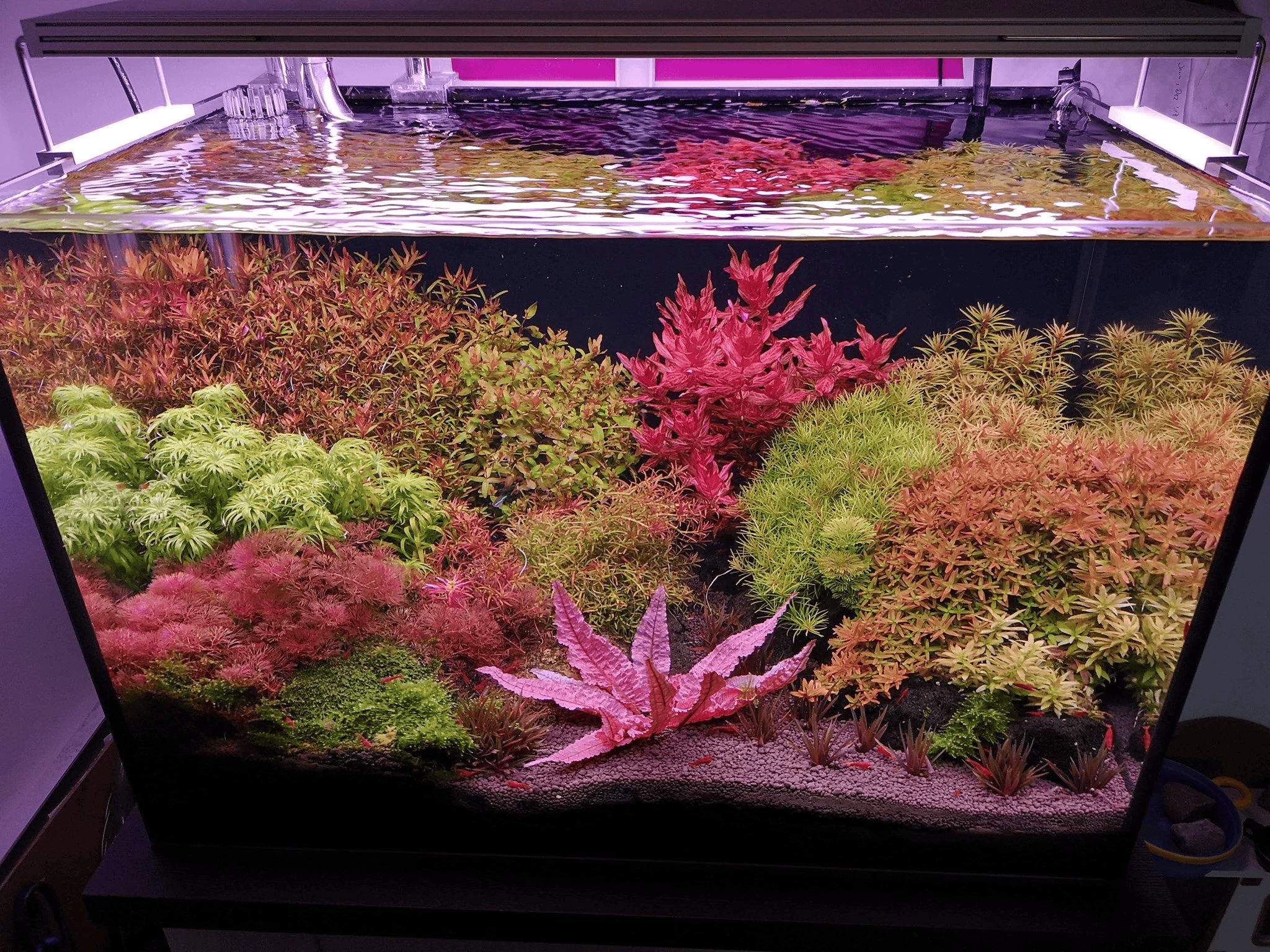
Where Can I Find Fresh Aquatic Plants for Aquascaping
River Gallery, Raipur — Supplier of Live Aquarium Plants Across Central and Eastern India
River Gallery, at Jaistambh Chowk, Raipur, Chhattisgarh, supplies submerged-grown aquatic plants, with root and leaf condition checkable in person before purchase. Indore and Jabalpur lead cross-state plant orders, making Madhya Pradesh — served as an Aquatic Live Plant Shop In Madhya Pradesh — its largest market outside Chhattisgarh, alongside regular delivery to Odisha and the rest of Chhattisgarh.
If a plant you bought melted within a week of planting, the issue usually isn't your tank — it's how the plant was grown before it reached you. That distinction is the single most useful thing to understand before buying aquatic plants anywhere.
Emersed vs Submerged-Grown: The Distinction That Matters Most
Many plants sold as "aquarium plants" at general nurseries are emersed-grown — raised above water, in humid but non-submerged conditions, because it's cheaper and faster than growing them fully underwater. When an emersed-grown plant is submerged, its above-water leaves often can't survive underwater and melt back within days, even though the plant itself isn't dead — it's converting to underwater growth form, and new leaves eventually emerge if the roots survive. Submerged-grown stock is raised underwater from the start and skips this die-back phase almost entirely. Ask directly whether stock is submerged-grown before buying — it's the single question that predicts whether a plant establishes cleanly or melts on arrival. This is exactly the gap hobbyists searching for an Aquatic Live Plant Shop In Chhattisgarh in Durg and Bilaspur run into, since most nearby nurseries stock only common terrestrial houseplants alongside a handful of hardy aquatic varieties, not true aquascape-grade selections.
Matching Light to Plant Category
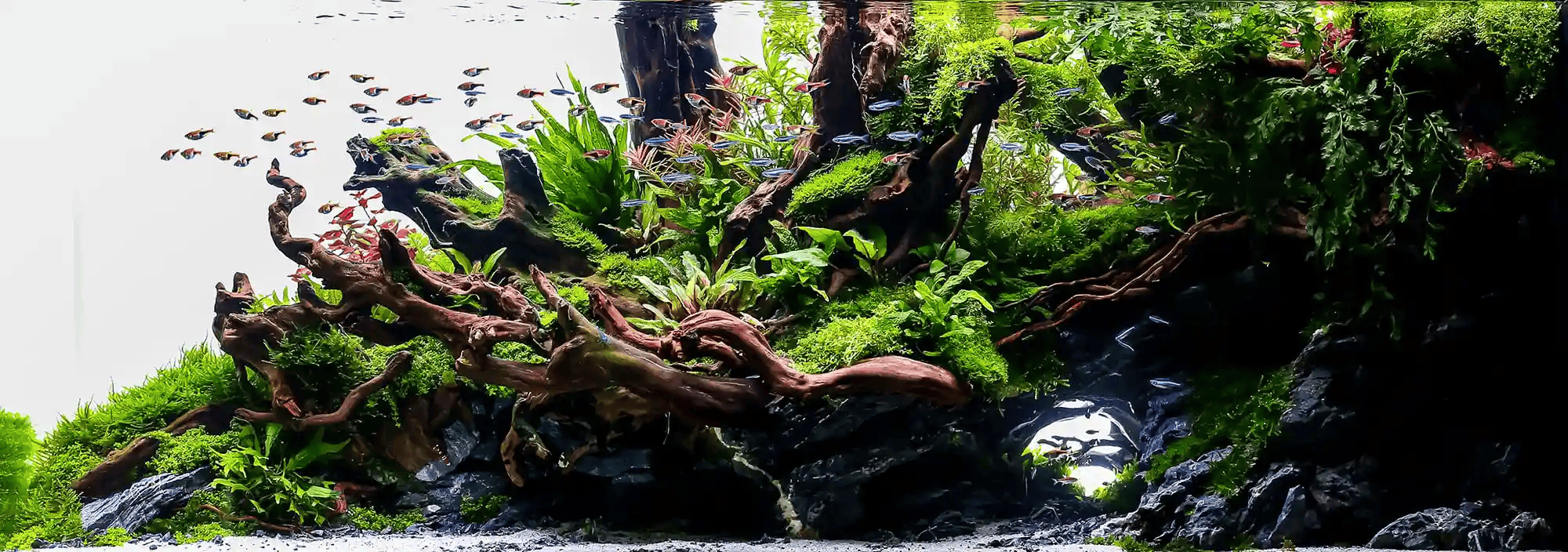
Aquatic plants fall into three light-demand tiers, and mismatching a plant to your lighting is the second most common reason for failure after emersed stock:
- Low light — Java fern, Anubias, many Cryptocoryne species; tolerate basic fixtures and low-tech setups without CO2.
- Medium light — most stem plants (Rotala, Ludwigia); benefit from a proper spectrum fixture and steady nutrient dosing.
- High light — carpeting foreground species (dwarf hairgrass, Monte Carlo, HC Cuba); need strong output and, in most cases, injected CO2 to keep pace with growth and avoid being outcompeted by algae.
Putting a high-light carpeting plant under a basic low-output fixture doesn't just slow its growth — it usually leads to melt and algae taking over the substrate instead.
Substrate: Where the Plant Actually Feeds
Root-feeding plants like Vallisneria and most Cryptocoryne do fine in plain river sand. Carpeting and heavy stem-growing species need nutrient-rich aquatic soil, since they draw much of their nutrition through the root system rather than the water column. Planting a high-light carpeting species in river sand usually means compensating with far more liquid fertilizer than the setup should need. See River Gallery's Filter Media and Algae guides for how substrate choice, light, and nutrient dosing interact — algae blooms are very often a lighting or nutrient imbalance rather than a "dirty tank" problem.
Handling Plants After Delivery
- Rinse and inspect on arrival — check for pest snails, snail eggs (small clear dots on leaf undersides), or damaged stems.
- Plant promptly — ideally within a few hours of arrival; roots left exposed and drying lose viability fast.
- Expect some initial leaf loss — a few yellowing or melting leaves during the first two weeks is normal adjustment; consistent new growth is the real signal the plant has settled in, not the old leaves.
- Trim, don't panic — remove clearly dead material rather than replacing the whole plant; healthy root systems usually recover.
Transit distance is worth factoring into what you order: buyers in Bhubaneswar and Cuttack, searching for an Aquatic Live Plant Shop In Odisha, sit at the longest end of River Gallery's delivery range, so hardier background and floating species travel more reliably there than delicate carpeting plants.
Frequently Asked Questions
Why do my new aquarium plants keep melting after planting?
Most often the stock was immersed-grown rather than submerged-adapted, or the lighting doesn't match the plant's needs. Ask whether stock is submerged-grown before buying to avoid this.
Is some leaf loss after planting normal?
Yes — brief melt or yellowing during the first couple of weeks is common acclimation stress. Consistent new growth, not the survival of old leaves, is what indicates the plant has established.
What's the difference between river sand and aquatic soil?
River sand suits root-only feeders like Vallisneria and crypts; aquatic soil is nutrient-rich and needed by carpeting and stem plants that feed through their roots. They aren't interchangeable.
Do carpeting plants need more light than background plants?
Yes — carpeting foreground species generally need high-output, full-spectrum lighting and usually CO2 injection; background and floating plants tolerate moderate or low light.
Why do Indore and Jabalpur account for most Madhya Pradesh plant orders?
Both have an active planted-tank community, but local nurseries there mostly stock plants meant for terrariums or pond edges rather than true submerged-grown aquascape species, which is why hobbyists order in.
Should I quarantine new plants before adding them to my main tank?
A rinse and visual check for pest snails or eggs is enough for most orders, especially from outside your city where transit stress can dislodge hitchhikers.
How soon should plants go into the substrate after delivery?
As soon as practical — within a few hours — since exposed roots dry out and lose condition quickly.
Can I order plants along with fertilizer and CO2 equipment?
Yes — pairing a plant order with the right fertiliser and, for high-light carpeting species, a CO2 setup is worth planning at the same time rather than adding it later.
Why do some leaves turn yellow even in an established tank?
Usually nutrient deficiency or low light reaches that part of the tank, though older leaves also naturally shed as a plant redirects energy to new growth.
Can a low-tech tank (no CO2) still support a nicely planted layout?
Yes, with the right plant selection — Java fern, Anubias, and many Cryptocoryne species grow well without injected CO2, provided lighting isn't excessive.
Get in Touch
Visit: River Gallery, Beside Girnar Restaurant, Jaistambh Chowk, Raipur, Chhattisgarh Call/WhatsApp: +91-9713712666 · Alternate: +91-9713713666 Email: info@rivergallery.co.in Check plant availability before ordering to your city: Enquiry Form