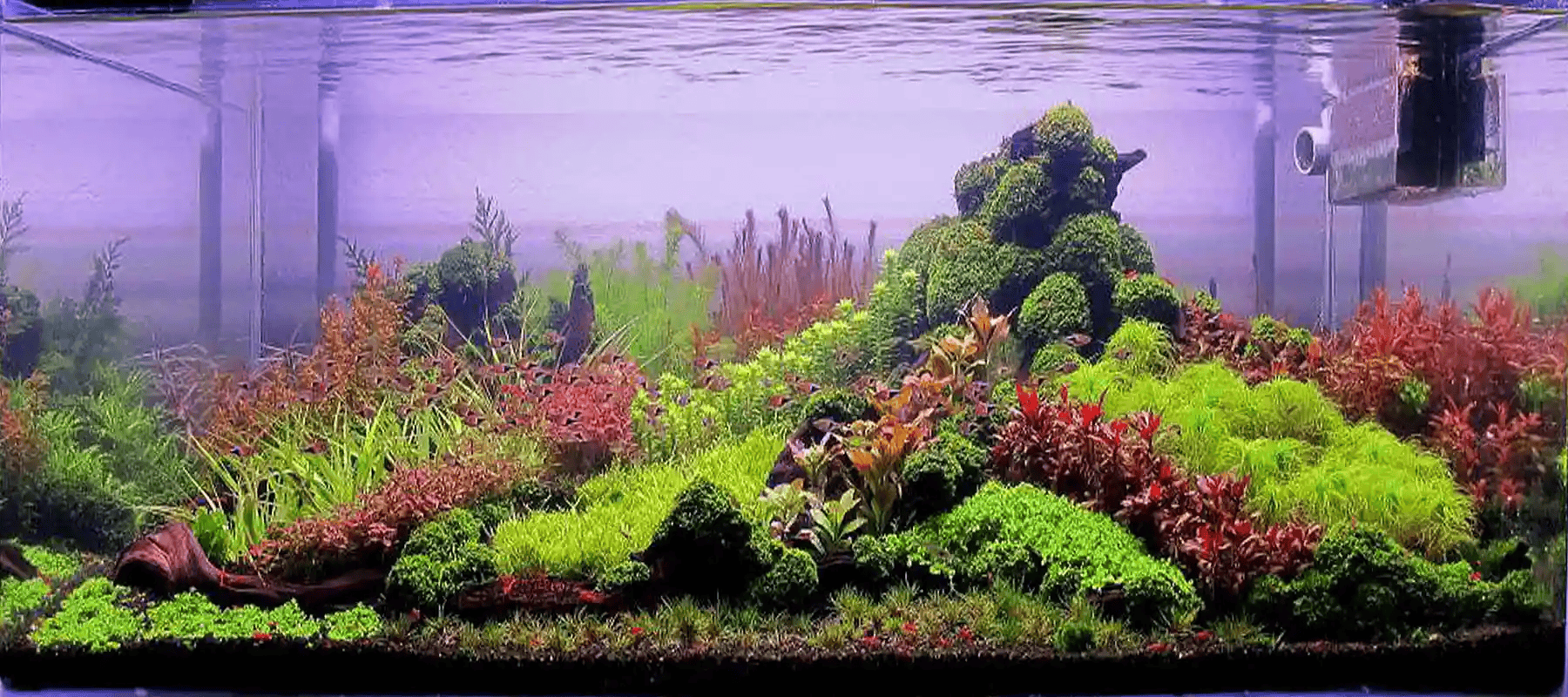
Best Aquatic Live Plants Shop in Raipur
Why Most Live Plants Die in the First Two Weeks — and How to Actually Keep Them Alive (2026 Guide)
You bought live aquatic plants. They looked lush and green in the shop. Two weeks later they're brown, melting, or covered in algae. This is not a plant problem. It's a sourcing, setup, and knowledge problem — and it's the number one reason fish keepers in Raipur give up on planted tanks before they see what they're actually capable of.
Finding a reliable aquatic live plant shop in Raipur is step one. Understanding what your plants actually need to survive in your specific tank is step two. This guide covers both.
What Are Aquatic Live Plants?
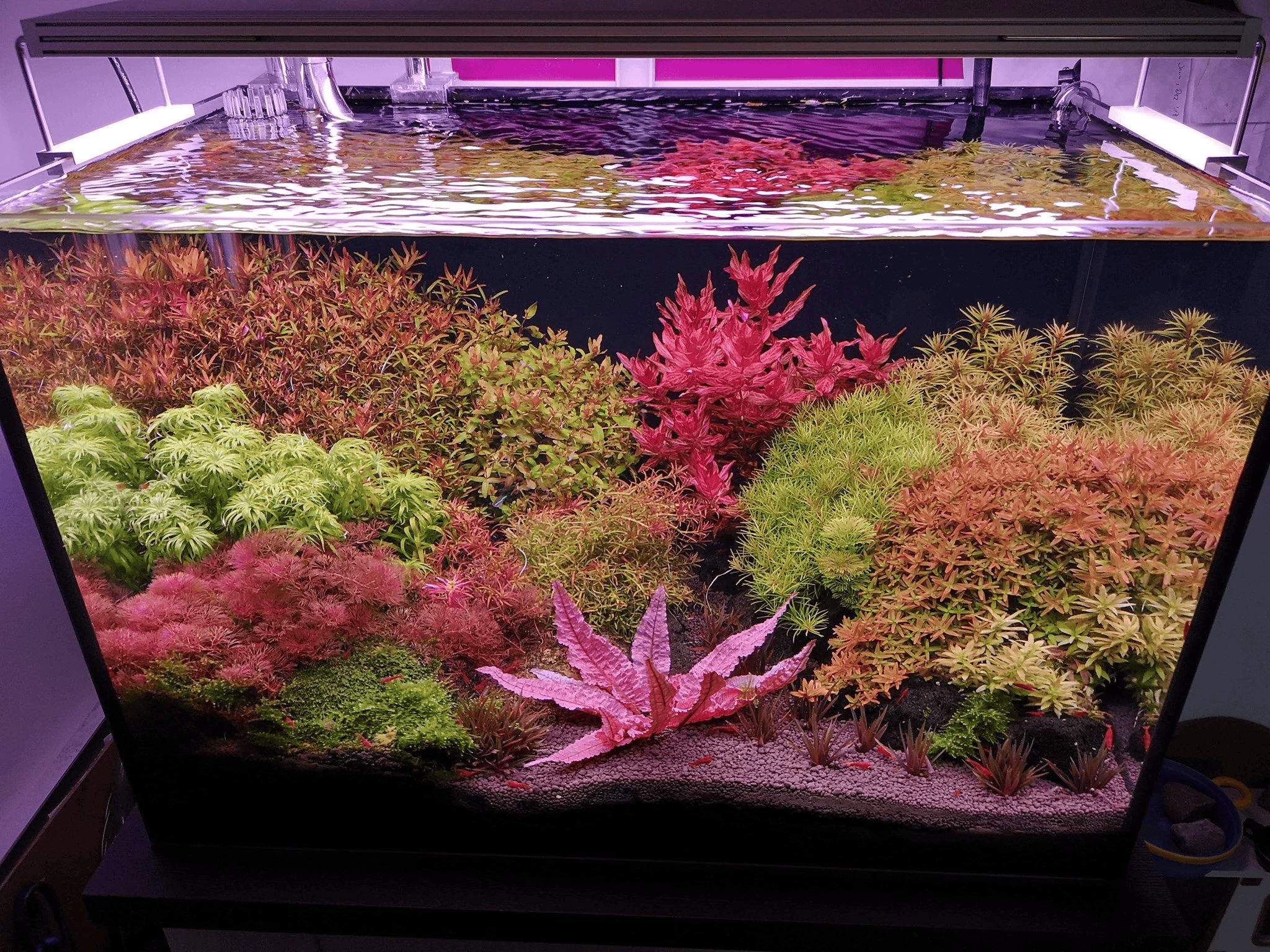
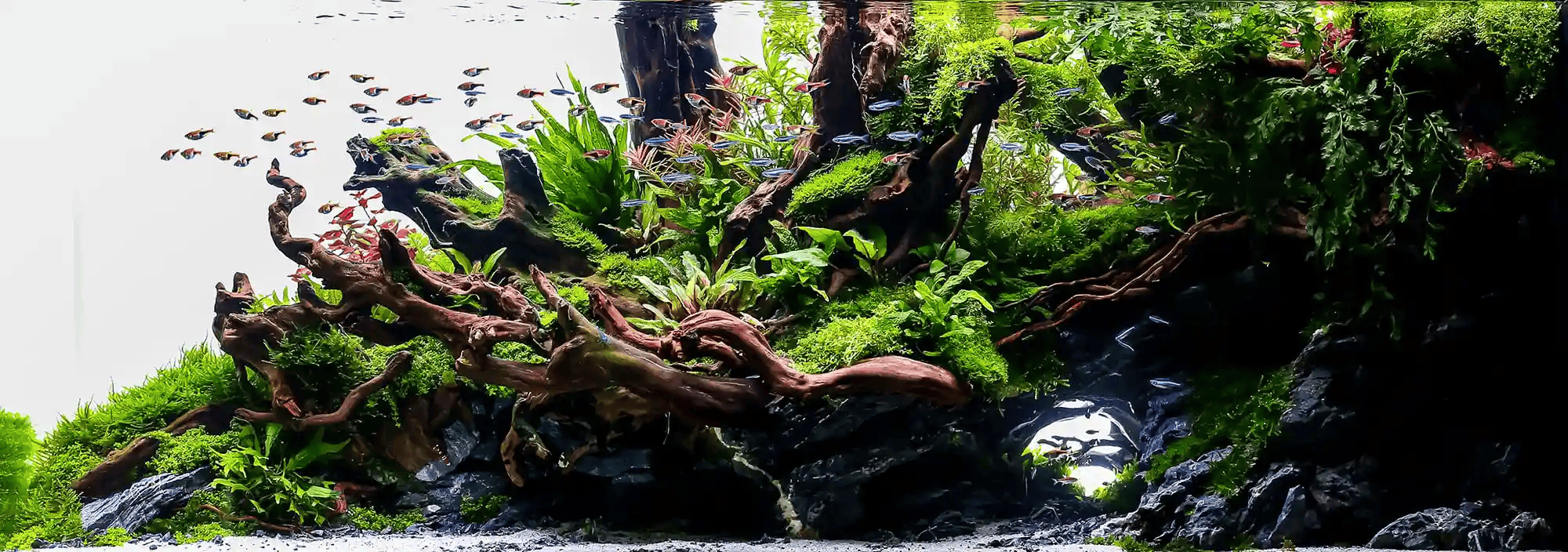
Aquatic live plants are rooted or floating vascular plants and mosses adapted to grow fully or partially submerged in freshwater environments. Unlike plastic or silk decor, live plants actively participate in the tank's biology — absorbing ammonia and nitrates, producing oxygen, competing with algae for nutrients, and providing shelter for fish and shrimp.
In a well-maintained planted tank, live plants do more biological work than most filtration accessories combined.
The Honest Reason Most Live Plants Fail in Home Aquariums
Before covering what to buy, it's worth covering why plants die — because a good aquatic live plants supplier in Raipur should tell you this before you leave the shop.
Problem 1: Wrong light intensity or spectrum Most standard aquarium lights sold with beginner kits are too weak for plants that need moderate or high light. Low-tech plants (Java Moss, Anubias, Java Fern) survive dim light. Stem plants and carpeting plants don't.
Problem 2: No CO2 supplementation Carbon dioxide is a primary nutrient for plant growth. In a low-stocked tank with minimal biological CO2 production, plants starve slowly. This is why planted tank specialists use pressurized CO2 injection or liquid carbon supplements.
Problem 3: Wrong substrate Gravel alone provides no nutrition. Plants with rooting systems (Crypts, Amazon Swords, stem plants) need nutrient-rich aquascaping soil or capped fertilizer substrate to establish.
Problem 4: Transition shock (emersed to submersed) Most commercially grown aquatic plants are actually grown out of water (emersed) in high-humidity greenhouses — it's cheaper and faster. When you put them underwater, they often melt temporarily as they grow new submersed leaves. This is normal. New buyers panic, pull them out, and declare the plants dead. They weren't.
Problem 5: Buying from poor storage conditions Plants stored in dirty, low-light, crowded tanks at the shop arrive already stressed. Quality matters at the source.
Quick Facts: Live Aquarium Plants in 2026
- A mature planted aquarium can reduce algae by 60–80% compared to a fish-only tank, according to planted tank research from aquascaping communities.
- Raipur-based hobbyists increasingly travel from nearby areas of Chhattisgarh and even parts of Odisha to source quality live aquatic plants, as local availability in smaller towns remains limited.
- The most beginner-friendly live plant categories: rhizome plants (Anubias, Java Fern), mosses (Java Moss, Christmas Moss), and floating plants (Frogbit, Salvinia).
- CO2 systems — now stocked by quality aquatic live plant shops in Raipur — have become significantly more affordable, making high-tech planted tanks accessible to serious hobbyists on normal budgets.
4 Plant Categories: Matching the Right Plant to Your Setup
Category 1 — Low-Tech / Beginner Plants These survive in low light with no CO2 injection. Best for beginners or tanks where the focus is fish, not plants.
- Anubias nana — slow-growing, attach to driftwood or rock, nearly indestructible
- Java Fern (Microsorum pteropus) — versatile, tolerates a wide pH range, don't bury the rhizome
- Java Moss — carpets, attaches to hardscape, great for shrimp tanks
- Cryptocoryne species — root plants, melt initially but recover strongly
Category 2 — Floating Plants Zero planting required. They float, absorb nutrients from the water column, block excess light, and reduce nitrates naturally.
- Frogbit, Salvinia, Duckweed (use duckweed sparingly — it spreads aggressively)
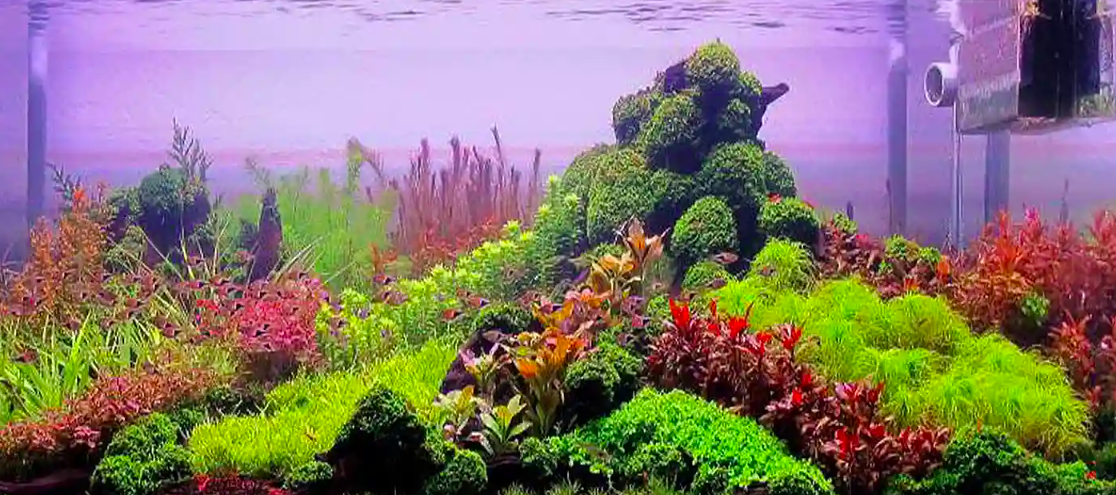
Category 3 — Stem Plants (Moderate Tech) Fast-growing, visually impactful, good for background and mid-ground. Require moderate light and benefit from CO2 and fertilization.
- Rotala rotundifolia, Bacopa caroliniana, Cabomba, Water Wisteria
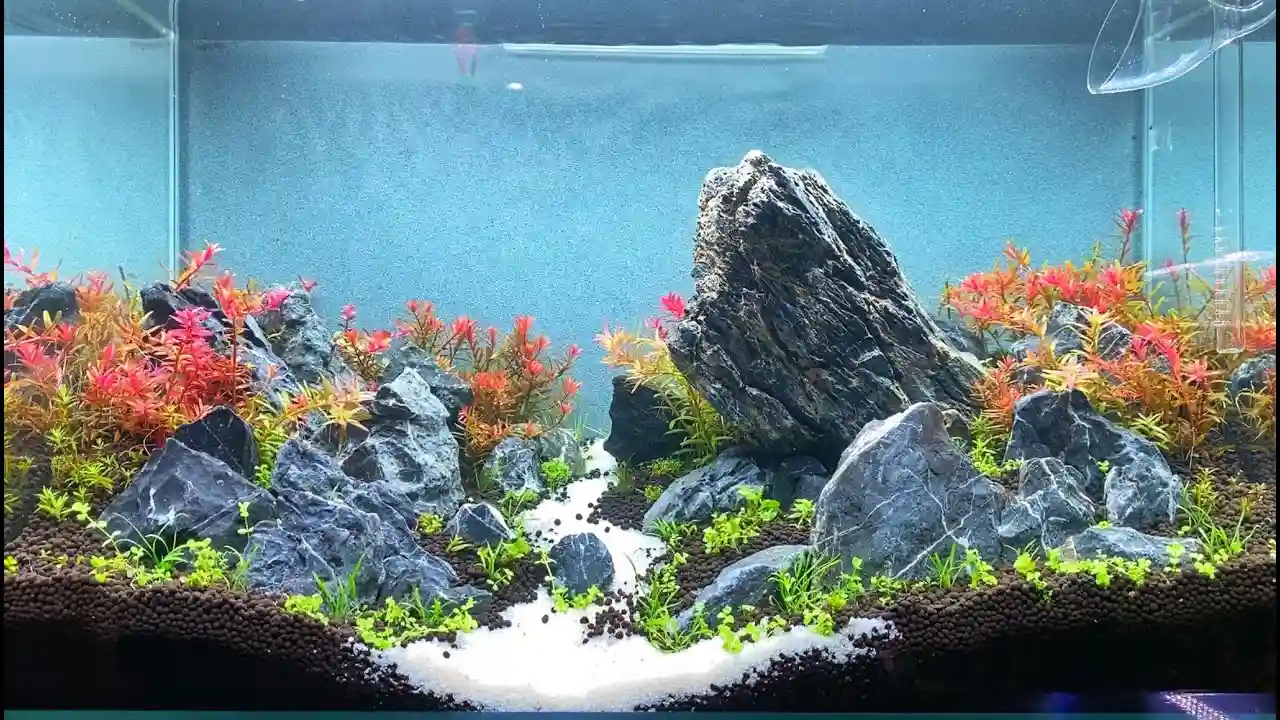
Category 4 — Carpeting Plants (High Tech) These are the foreground plants that create the lush green carpet seen in competition aquascapes. They require high light, consistent CO2, and nutrient-rich substrate.
- Hemianthus callitrichoides (HC Cuba), Glossostigma elatinoides, Marsilea hirsuta
Plant × Setup Compatibility Table
|
Plant |
Light Needed |
CO2 Required |
Substrate |
Beginner Friendly |
|
Anubias nana |
Low |
No |
Any (attach to rock/wood) |
✅ Yes |
|
Java Fern |
Low–Medium |
No |
Any (don't bury rhizome) |
✅ Yes |
|
Java Moss |
Low |
No |
Any |
✅ Yes |
|
Cryptocoryne |
Low–Medium |
No |
Nutrient substrate helps |
✅ Yes |
|
Rotala rotundifolia |
Medium |
Beneficial |
Aquascaping soil |
⚠️ Intermediate |
|
HC Cuba |
High |
Yes |
Aquascaping soil |
❌ Advanced |
|
Glossostigma |
High |
Yes |
Nutrient substrate |
❌ Advanced |
Step-by-Step: Setting Up a Planted Aquarium That Works
- Choose your plants first — match to your current lighting and budget before buying substrate or CO2 equipment.
- Set up substrate — aquascaping soil (like ADA Amazonia or similar) for rooting plants; regular gravel is acceptable for rhizome/moss plants that attach to hardscape.
- Install lighting before planting — ensure coverage is even across the tank footprint, not just the center.
- Add CO2 if going medium or high tech — a basic pressurized CO2 kit is now available through good aquatic live plant shops in Raipur at a reasonable price point.
- Plant correctly — rhizome plants attach to the hardscape (don't bury). Root plants go into substrate. Stem plants are pushed into the substrate 2–3 cm deep.
- Fill slowly and monitor — the first 2–3 weeks may include melt (especially in Crypts and stem plants). Don't pull them.
- Add fish after 2–4 weeks — let the plants establish first. A tank with growing plants is a far more stable environment for fish.
What a Quality Aquatic Live Plants Supplier in Raipur Should Stock
A serious planted tank supplier doesn't just carry Java Moss and call it a day. Here's what separates a real aquatic live plants supplier in Raipur from a generic pet shop with a few neglected plant bunches in a corner tank:
- Multiple Anubias and Java Fern varieties, not just the most common
- Mosses: Java, Christmas, Taiwan, or Flame
- Stem plants for background: Rotala, Bacopa, Hygrophila
- Carpeting options for advanced setups
- Live plant-compatible substrate (aquascaping soil)
- CO2 systems and liquid carbon supplements
- Fertilizers (macro and micro) for planted tank nutrition
- Knowledge — staff who can explain the nitrogen cycle, light duration, and CO2 timing
River Gallery stocks plants alongside driftwood, aquascaping substrate, CO2 systems, and lighting — making it one of the few locations in Chhattisgarh where a planted tank can be sourced start-to-finish in a single visit.
Frequently Asked Questions
Where can I buy aquatic live plants in Raipur?
River Gallery at Jaistambh Chowk, Raipur carries live aquatic plants alongside substrate, CO2 equipment, and lighting suited for planted tanks. Call +91-9713713666 to check current stock.
Why are my live aquarium plants turning brown?
Most commonly: transition shock (immersed-to-submersed adjustment), insufficient lighting, or nutrient deficiency. Brown leaves on Crypts and Java Ferns often recover if the rhizome is healthy — wait 2–3 weeks before concluding the plant is dead.
Do I need CO2 for live plants?
Not for low-tech plants like Anubias, Java Fern, and most mosses. For stem plants and carpeting plants, CO2 supplementation dramatically improves growth and prevents algae from outcompeting the plants.
Can I get live aquatic plants delivered from Raipur to other cities in Chhattisgarh or Madhya Pradesh?
Contact River Gallery directly — they supply across the region and can advise on packaging and plant viability for delivery.
How many hours of light do aquarium plants need?
8 hours per day is a standard starting point. More than 10 hours without CO2 and nutrients often causes algae problems rather than plant growth.
Plan Your Planted Tank With the Right Supplier
Getting plant selection, substrate, and lighting right from the start saves months of troubleshooting. If you want to discuss your tank dimensions, current lighting, and what species will realistically work in your setup — River Gallery's team can advise before you spend a rupee.
Describe Your Tank Setup — Enquire Here
River Gallery Beside Girnar Restaurant, Jaistambh Chowk, Raipur, Chhattisgarh +91-9713713666 (Call) | +91-9713712666 (Call & WhatsApp) info@rivergallery.co.in | eshantrathod123@gmail.com